
Therapy Approaches
Just as every person’s story is unique, there is no single path toward healing. I integrate a variety of therapeutic approaches, thoughtfully tailoring them to your unique needs, goals, and lived experiences. The approaches below offer different pathways for understanding your thoughts, emotions, relationships, and nervous system, creating opportunities for meaningful healing and lasting change.
Understanding Trauma & the Nervous System
Eye Movement Desensitization and Reprocessing (EMDR)
Uses bilateral stimulation to help the brain reprocess distressing memories, reducing their emotional intensity and allowing natural healing to move forward.
Mindfulness Self-Compassion
Mindful Self-Compassion (MSC) is the practice of treating yourself with the same kindness and understanding you would offer a good friend. Developed by Dr. Kristin Neff and Dr. Christopher Germer, MSC combines mindfulness, self-kindness, and the understanding that struggle and imperfection are part of our shared human experience.
Mindful Self-Compassion (MSC) is the practice of treating yourself with the same kindness and understanding you would offer a good friend. It combines mindfulness, self-kindness, and the understanding that struggle and imperfection are part of being human.
Mindfulness-Based Stress Reduction (MBSR)
Mindfulness-Based Stress Reduction (MBSR) introduces mindfulness practices that reduce stress and enhance overall well-being. This approach encourages non-judgmental awareness of the present moment, helping individuals better manage stress, anxiety, and chronic pain by fostering a deeper connection to their thoughts, emotions, and physical sensations.
In therapy, MBSR techniques such as body scans, mindful breathing, and noticing emotions and thoughts are commonly used to help clients develop greater self-awareness and emotional regulation. MBSR is especially effective for reducing anxiety by grounding individuals in the present, allowing them to observe their internal experiences without becoming overwhelmed by them.
This practice also integrates well with other therapeutic modalities like EMDR, by helping clients stay present during emotionally intense moments, and Expressive Arts, by deepening the connection between body, mind, and creative expression.


Family Systems and Attachment
This approach focuses on how family relationships and early attachment experiences impact your current emotional and psychological well-being. Family Systems Theory examines patterns and dynamics within a family that influence individual behavior, while Attachment Theory explores how early bonds with caregivers shape your sense of self and your relationships with others.
In therapy, we explore the roles and patterns that developed in your family of origin, identify how these dynamics affect your current relationships, and work toward breaking unhealthy cycles. Attachment work may involve recognizing how early attachment wounds influence your emotional responses, communication, and trust with others. Techniques such as role-playing, exploring family histories, and processing emotions related to past relationships are commonly used to promote healing.
By addressing these foundational aspects in therapy, we can work on healing old wounds, improving your relationship patterns, and fostering healthier, more secure connections in your life.
Expressive Arts
Using Expressive Arts Therapy can be so freeing and uplifting. It is an opportunity to communicate and process our innermost feelings and thoughts without relying solely on words. It’s not about being an artist; it’s about using colors, shapes, movement, and poetry to tell our stories in a unique way
During our sessions together, Expressive Arts Therapy takes on many forms. We might explore painting emotions with watercolors, engage in block-out poetry exercises, or use art journaling as a tool for self-reflection and expression. Collaging allows us to delve into different aspects of our identity or values, while movement-based activities offer a hands-on approach to working through emotions.
This holistic approach recognizes the connection between our mind, body, and spirit, empowering us to deepen our self-awareness, build resilience, and nurture our emotional well-being. Through Expressive Arts Therapy, we embark on a journey of healing and personal growth, where we are supported and empowered every step of the way.


Eye Movement Desensitization and Reprocessing
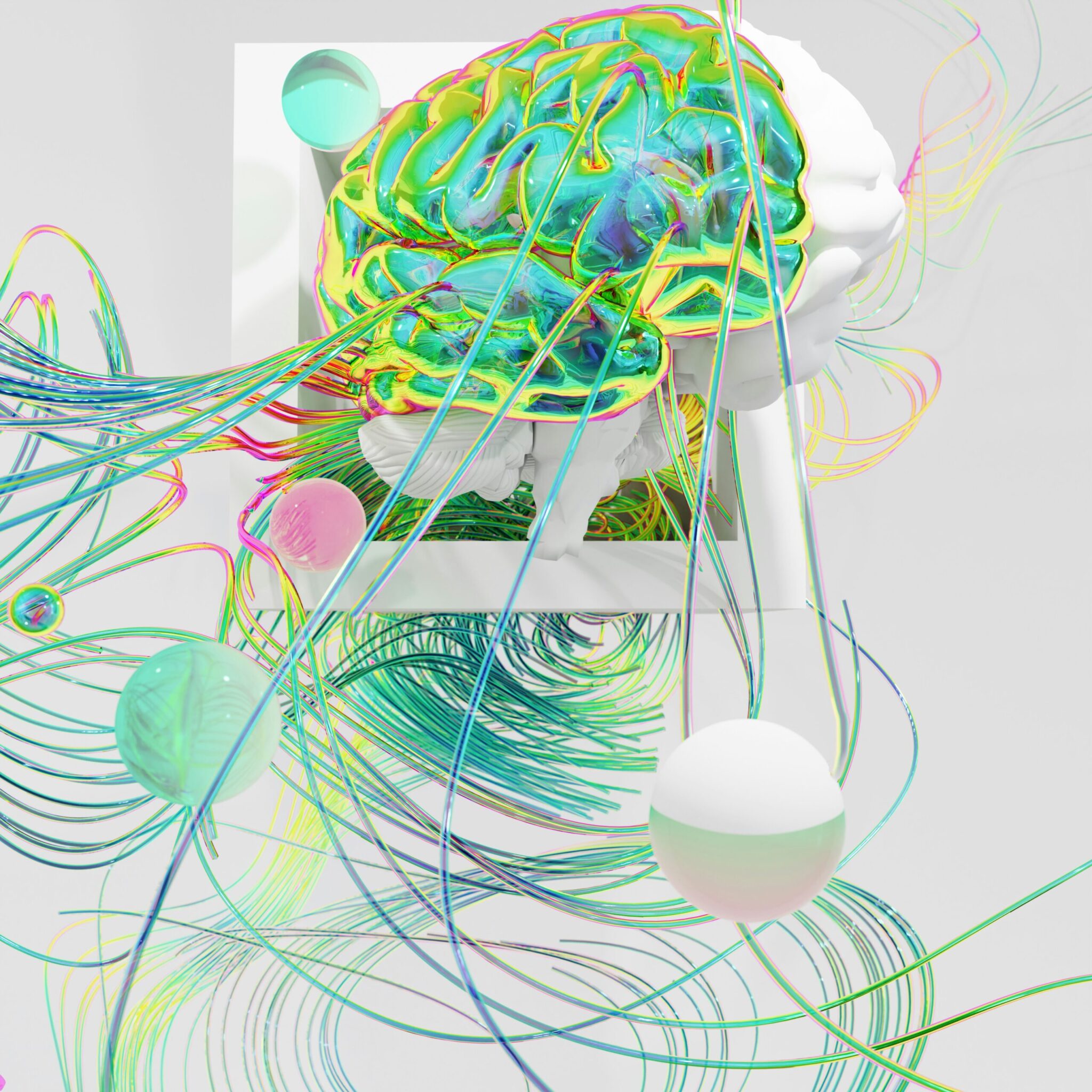
The EMDR AIP Model is a comprehensive framework used in therapy to understand how past experiences, particularly traumatic events, influence a person’s present emotional and psychological state. According to the AIP model, distressing memories and experiences can get “stuck” in the brain in their original, unprocessed form, leading to ongoing emotional and behavioral issues.
The AIP model helps therapists recognize how these unprocessed memories are linked to negative beliefs, attachment wounds, and emotional pain, which can manifest as anxiety, depression, or other psychological difficulties. Through EMDR, these memories are reprocessed in a way that allows them to be integrated into a healthier narrative, reducing their emotional charge and freeing the client from their grip. This process not only alleviates symptoms but also fosters a deeper healing by addressing the root causes of distress, leading to improved well-being and more adaptive responses to life’s challenges.
206-984-9010
info@liminalpaths.com
Serving Seattle, WA and surrounding areas. Both in-office and telehealth options are available.